We don't just build it. We back it.
Co-creation is how several of the products on this site were built: we discount our services and share in the upside, so we win when the product does.

In short
A development agency gets paid the same whether your product succeeds or gathers dust. We think that's the wrong shape for building something new. In a co-creation venture, we reduce our fees and take a share of the value we help create, which means the full weight of our team, our method and our judgement is pointed at one thing: making the product work in the market, not just at handover.
The model
How co-creation works
The exact structure is agreed per venture. The principles don't change.
- 01
Discounted build, shared upside
We cut our fees in exchange for a share in what the product earns or becomes. You get senior product engineering you couldn't otherwise buy at that price; we get skin in the game.
- 02
Owners, not suppliers
Because we share the upside, we behave like co-founders: we challenge the scope, kill features that won't pay their way, and keep improving the product long after a normal project would have ended.
- 03
The same method, the same standards
Co-created products are built with the Handee Method and the same engineering practices as everything else we ship: prototyped in days, secure by default, tested and documented.
- 04
Aligned from day one
Fees, share and responsibilities are agreed openly before any build starts, so both sides know exactly what they're putting in and what they stand to gain.
- 05
Built to keep running
We stay on after launch, watching health, shipping updates and growing the product, because our return depends on it running well, not on the next invoice.
- 06
Clear paper, no surprises
Ownership, IP and what happens if either side walks away are written down at the start. A partnership only works when the exit is as clear as the entrance.
How it flows
Is your venture a fit?
- 01
There's a real problem
The product solves something people already pay for, or clearly would. We back problems, not slide decks.
- 02
You bring the market
You know the industry, the customers or the distribution. We bring the product, the platform and the engineering. Co-creation works when each side brings what the other doesn't have.
- 03
You want a partner, not a supplier
We'll have opinions about the product, and we'll expect a seat at the table when decisions are made. If you want a team that builds exactly what it's told, our standard engagement is the better fit.
- 04
It can start small
We prototype before we commit, on both sides. A working slice in days tells us more about the venture than any projection.
Selected work
Built this way

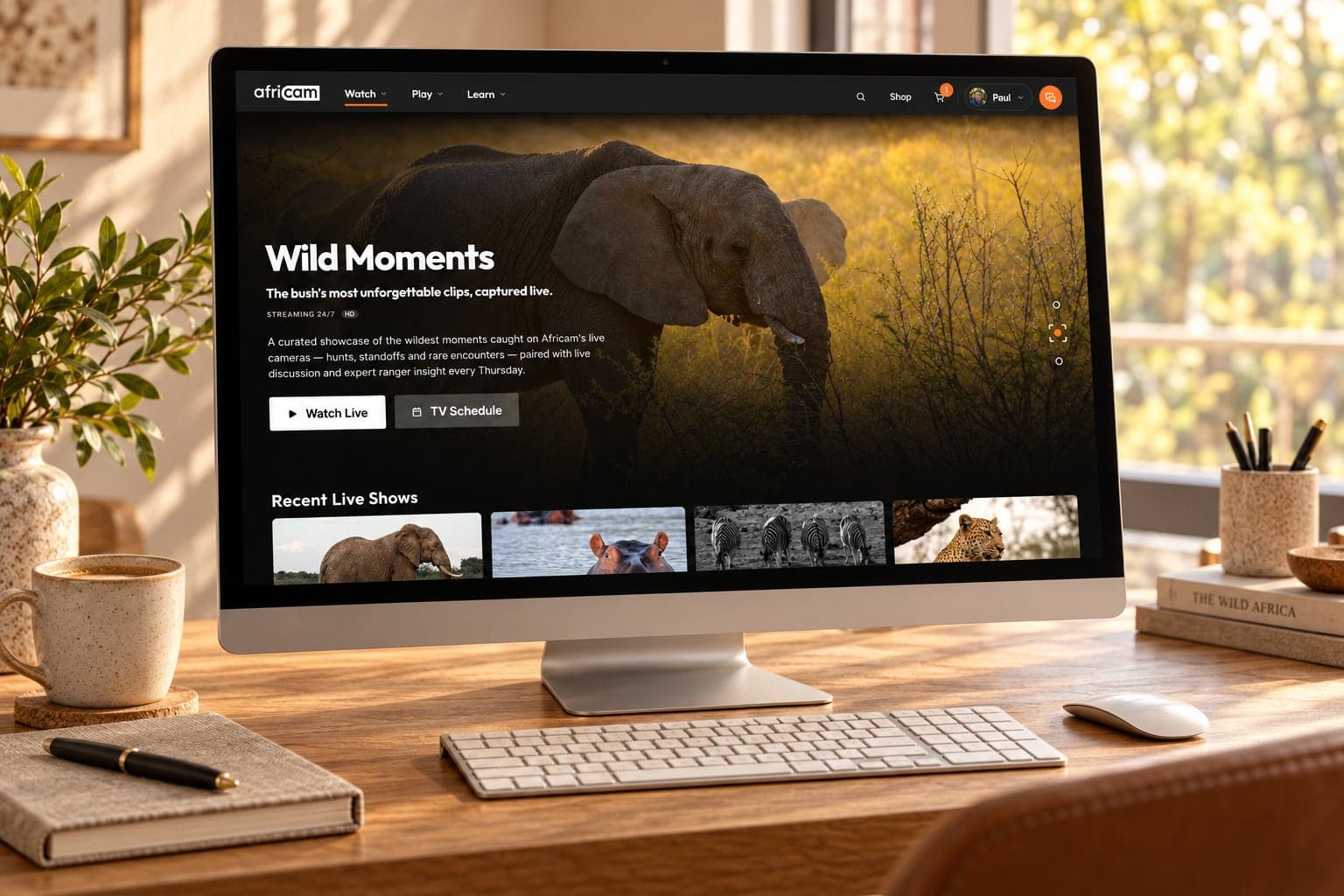



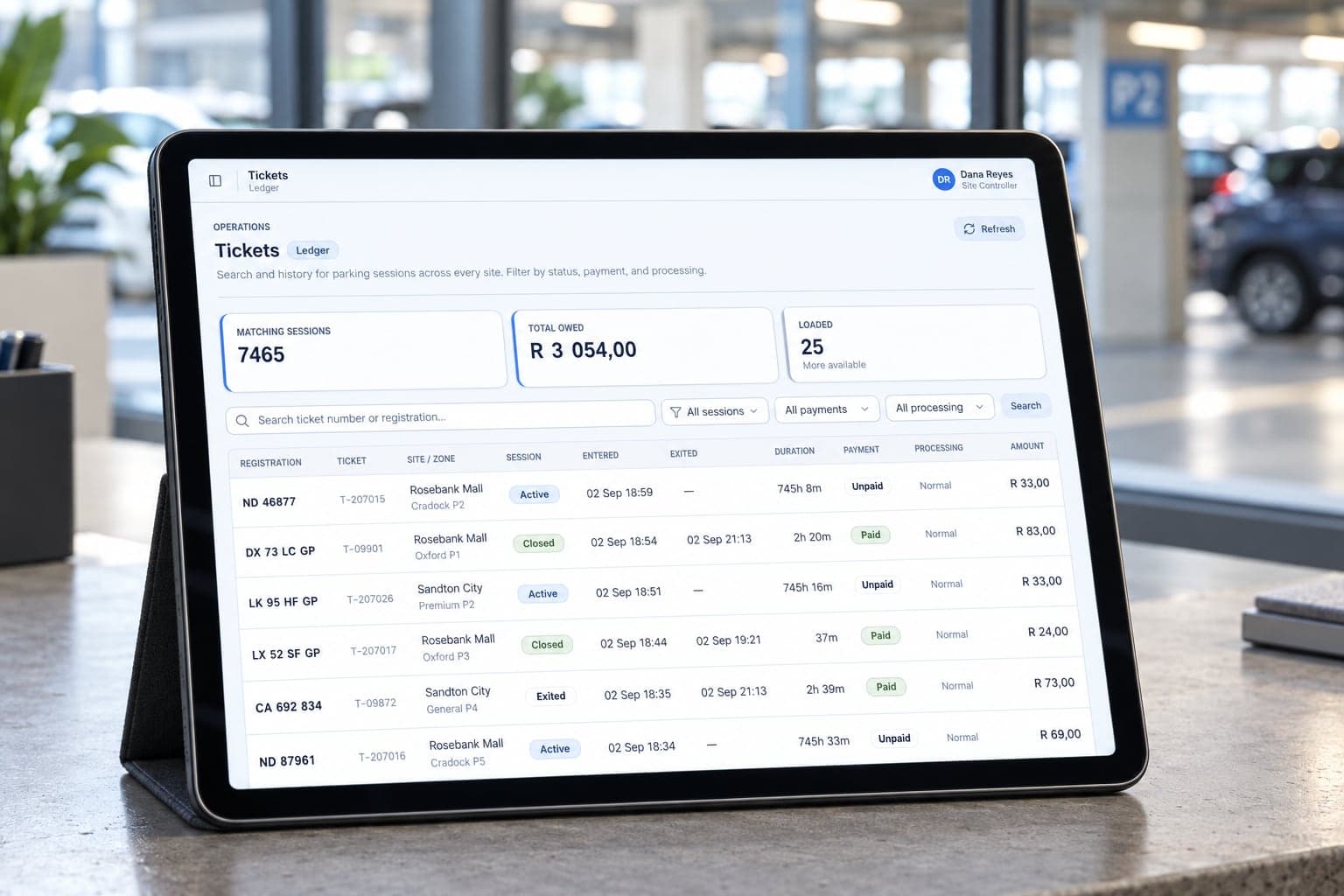
Co-creation
Got a great idea? Let's build it together
Got a great idea? Let's build it togetherIf you have an idea with real demand behind it, we'll partner with you to build it: our team, our method and our judgement for a reduced fee and a share in what it becomes. Tell us the problem, who pays for it today, and what you bring.
- 01Senior product engineering at a fee a young venture can carry
- 02A partner whose return depends on the product working
- 03A working prototype before either side commits
What happens next
- 01We read your briefWe come back to you with questions about the problem, the market and what each side would bring.
- 02A working sessionWe dig into the product together and decide, honestly and on both sides, whether co-creation fits.
- 03A clear agreementFees, share, responsibilities and what we build first, written down before anything starts.
Questions
Co-creation questions, answered
What founders and businesses usually ask us about the model.
01How big is the discount, and how big is your share?
There's no rate card, because no two ventures carry the same risk. Both are agreed per venture, openly, before any build starts, and they balance each other: the more risk we carry in fees, the more of the upside we share.
02Does the upside have to be equity?
No. Depending on the venture it can be equity, a revenue share or another structure that fits how the product earns. What matters to us is the same thing that matters to you: that our return arrives when the product works.
03Who owns the product and the IP?
That's written down at the start, per venture, along with what happens if either side walks away. A partnership only works when the paper is clear, so we don't start building until it is.
04Do you still do normal fee-for-service work?
Yes, most of the time. Co-creation sits alongside our standard engagements, not instead of them. If you simply need something built well and paid for normally, that's exactly what our services are for.
05What do you look for before saying yes?
A real problem someone already pays to solve, a partner who brings the market knowledge or distribution we don't have, and a product we'd be proud to have our name behind. We say no more often than yes, and we'll tell you why.
06What stage does the venture need to be at?
Anywhere from a well-understood problem to a product that's live and needs to grow. What matters is the problem and the partner, not the stage. Because we prototype in days, testing the idea is cheap for both sides.